
Are WaterSense® Toilets and Showerheads Worth the Investment for Greater Tampa Bay Homeowners?
As a plumber, I get asked a lot of questions about new plumbing technology.
One question that comes up more often than you might think is:
"Jake, do low-flow fixtures actually save money, or is it just marketing?"
It's a great question because years ago, many homeowners had a bad experience with early low-flow toilets. They remember having to flush twice, poor shower pressure, and fixtures that simply didn't perform very well.
Fortunately, plumbing technology has come a long way.
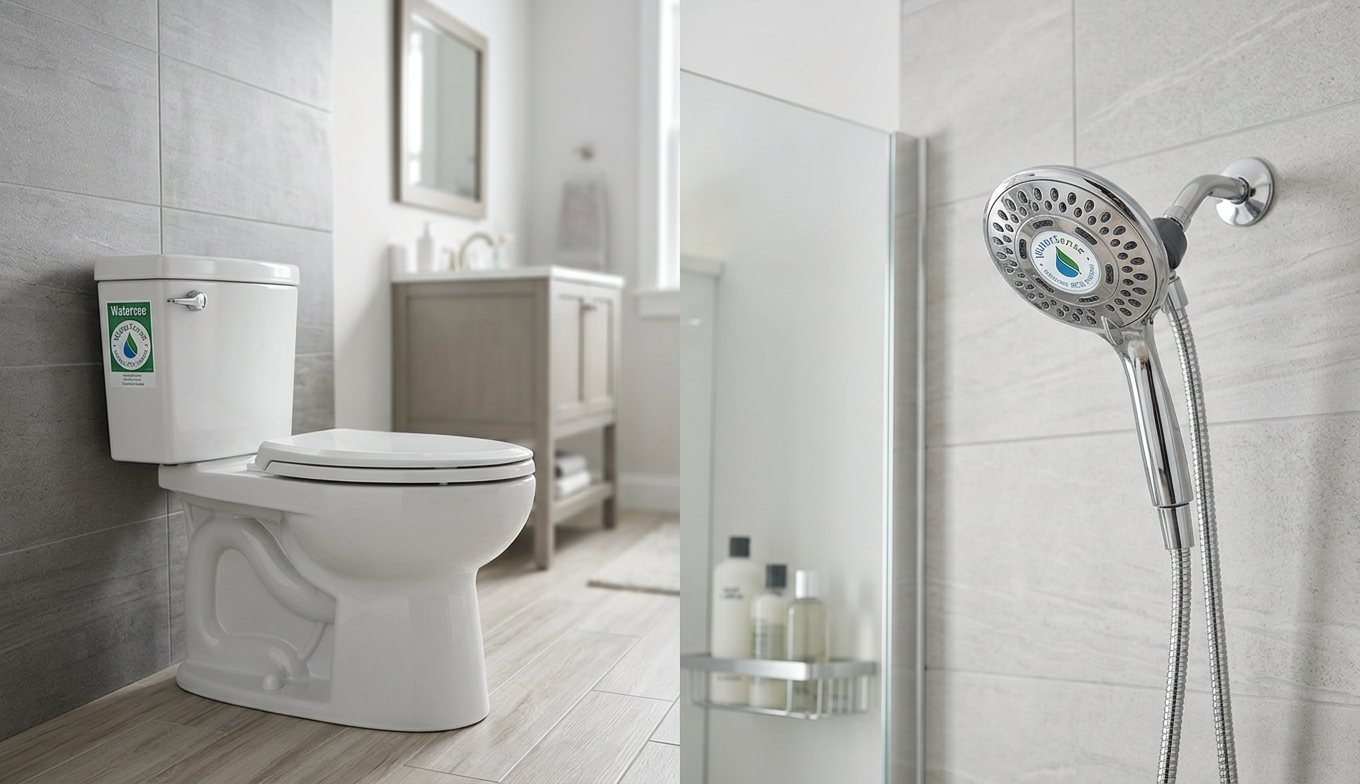
Today's WaterSense® certified fixtures are far more efficient than older models while still delivering the performance homeowners expect.
After more than 20 years working in homes throughout the Greater Tampa Bay area, I've seen firsthand how replacing outdated plumbing fixtures can reduce water usage without sacrificing comfort.
Let's look at where the savings actually come from.
What Is a Low-Flow Fixture?
Designed to Use Less Water Without Reducing Performance
A low-flow fixture is simply a plumbing fixture engineered to use less water than older models.
Some of the most common examples include:
-
Toilets
-
Showerheads
-
Bathroom faucets
-
Kitchen faucets
Many of today's highest-performing products carry the EPA's WaterSense® certification, meaning they've been independently tested for both efficiency and performance.
In other words, they don't just save water—they're designed to work well while doing it.
Where Most Homes Waste Water
Older Fixtures Use More Than You Think
One of the biggest surprises for homeowners is how much water older fixtures consume.
For example:
Older toilets manufactured before the mid-1990s often use:
3.5 to 5 gallons per flush
Today's WaterSense® toilets typically use:
About 1.28 gallons per flush
That means every flush uses significantly less water while still effectively clearing the bowl.
The same principle applies to showerheads and faucets.
Modern designs reduce water usage without making you feel like you're showering under a garden mister.
How Much Can You Actually Save?
The Savings Add Up Over Time
Every household is different, but replacing several outdated plumbing fixtures can noticeably reduce monthly water consumption.
Consider a family of four.
If everyone flushes the toilet several times per day and takes daily showers, switching to WaterSense® fixtures can reduce water usage by thousands of gallons each year.
Less water usage means:
-
Lower water bills
-
Reduced sewer charges in many municipalities
-
Lower energy costs for heating hot water
-
Less strain on your plumbing system
While individual savings vary, homeowners are often surprised by how quickly those savings begin adding up.
Showerheads Can Reduce More Than Water Usage
They Also Reduce Energy Costs
Every gallon of hot water you don't use is also a gallon you don't have to heat.
That means an efficient showerhead doesn't just reduce your water bill.
It also reduces:
-
Water heater workload
-
Natural gas consumption
-
Electric water heater operating costs
Over the life of the fixture, these energy savings can become significant.
Modern Toilets Have Improved Dramatically
Performance Is Better Than Ever
Years ago, low-flow toilets earned a reputation for weak flushing performance.
Thankfully, those days are largely behind us.
Modern toilet engineering has improved considerably.
Many of today's models actually outperform older high-volume toilets while using far less water.
When homeowners tell me they're worried about flushing power, I remind them that toilet design has changed just as much as water usage has.
Efficiency no longer means sacrificing performance.
Faucets Make a Difference Too
Every Small Reduction Adds Up
Kitchen and bathroom faucets may not seem like major water users individually.
But consider how many times they're used every day.
Activities like:
-
Brushing teeth
-
Washing hands
-
Rinsing dishes
-
Food preparation
-
Shaving
...all contribute to your monthly water usage.
Modern low-flow faucets reduce unnecessary water consumption while still providing comfortable water pressure for everyday tasks.
When Replacement Makes the Most Sense
Older Homes Often Benefit the Most
Many homes throughout the Greater Tampa Bay area still have original plumbing fixtures that were installed decades ago.
If your fixtures are:
-
15 to 25 years old
-
Frequently leaking
-
Difficult to repair
-
Outdated in appearance
-
Using excessive water
...replacement often makes good financial sense.
Not only will you improve efficiency, but you'll also reduce future maintenance while giving your kitchen or bathroom a fresh, updated appearance.
Water Savings Are Only Part of the Return
Reliability Has Value Too
When homeowners think about return on investment, they often focus only on utility bills.
But replacing older fixtures can also reduce:
-
Future repair costs
-
Water damage from aging components
-
Constant maintenance
-
Frustration from unreliable fixtures
A dependable toilet that flushes properly every time or a faucet that no longer drips quietly all night provides value that's difficult to calculate—but easy to appreciate.
Should Every Fixture Be Replaced?
Not Necessarily
One thing I always tell homeowners is this:
Just because something is old doesn't automatically mean it should be replaced.
If a high-quality fixture is still working well and replacement parts remain available, repairing it may be the better financial decision.
On the other hand, if you're already remodeling, experiencing recurring repairs, or looking to reduce water usage, upgrading to modern WaterSense® fixtures often becomes an excellent investment.
Jake's Advice After More Than 20 Years
After two decades in plumbing, I've learned something important:
The best plumbing upgrades aren't always the most expensive.
Sometimes replacing an old toilet or showerhead provides years of lower water bills, fewer repairs, and better daily performance—all without requiring a major remodeling project.
My goal has never been to recommend replacing fixtures simply because they're old.
It's to help homeowners invest their money where it delivers the greatest long-term value.
Sometimes that's a repair.
Sometimes it's an upgrade.
The right answer depends on your home, your budget, and how you use your plumbing every day.
Choosing the Right Fixture Matters
Not All Fixtures Are Created Equal
If you decide to upgrade, don't simply choose the least expensive fixture on the shelf.
Quality matters.
I encourage homeowners to look for:
-
EPA WaterSense® certification
-
Proven manufacturer warranties
-
Readily available replacement parts
-
Durable finishes
-
Fixtures designed for long-term reliability
A quality fixture installed correctly can provide dependable performance for many years.
Hometown Hero's Plumbing Can Help You Choose Wisely
Whether you're replacing one toilet or upgrading every plumbing fixture in your home, Hometown Hero's Plumbing is here to help.
With more than 20 years of plumbing experience serving homeowners throughout the Greater Tampa Bay area, I'll help you evaluate your existing fixtures, explain the benefits of today's water-efficient models, and recommend products that fit both your home and your budget.
If you're wondering whether upgrading your plumbing fixtures is worth the investment, give Hometown Hero's Plumbing a call. I'm always happy to provide honest advice so you can make the best decision for your home—not just the newest one.
About The Author
Jake Foley, Hometown Hero's Plumbing owner, has 20+ years providing reliable, quality plumbing services to residents and business owners throughout the Tampa, FL, area.